
Getting Started with Latvian Linen — What Beginners Should Know
Why Latvian linen is special, where to find authentic audēji weavers, and how to work with this beautiful traditional fabric.
Read MoreYour guide to group sewing classes, what to expect in beginner sessions, and how to choose the right workshop for your skill level.

Learning to sew doesn't happen in isolation. Group workshops aren't just about instruction — they're where you'll pick up techniques faster, get real-time feedback, and actually enjoy the process with people who get what you're doing.
In Rīga and Ventspils, there's a growing community of šūšanas workshops. You'll find everything from absolute-beginner classes to intermediate sessions where people work on specific projects. The instructors know the local textile scene, they've got proper equipment, and they understand what works in Latvia's climate and with local materials like that gorgeous Latvian linen.

Most workshops follow a similar structure. You'll arrive about 10 minutes early to settle in, meet other participants, and get your workspace organized. Sessions typically run 90 minutes to 2 hours — long enough to actually accomplish something, not just get started.
The instructor will walk through a technique or project at the beginning. Then you'll practice while they circulate, helping individuals troubleshoot. It's not a lecture where you're taking notes. You're hands-on from minute one. By the end of class, you'll have either mastered a stitch, completed a small project, or worked toward a larger one you're doing over multiple sessions.
Class sizes matter. Smaller groups — usually 6 to 10 people — mean you'll actually get attention. Larger classes (15+) can feel rushed. You won't get the same level of individual feedback, which really slows your learning.
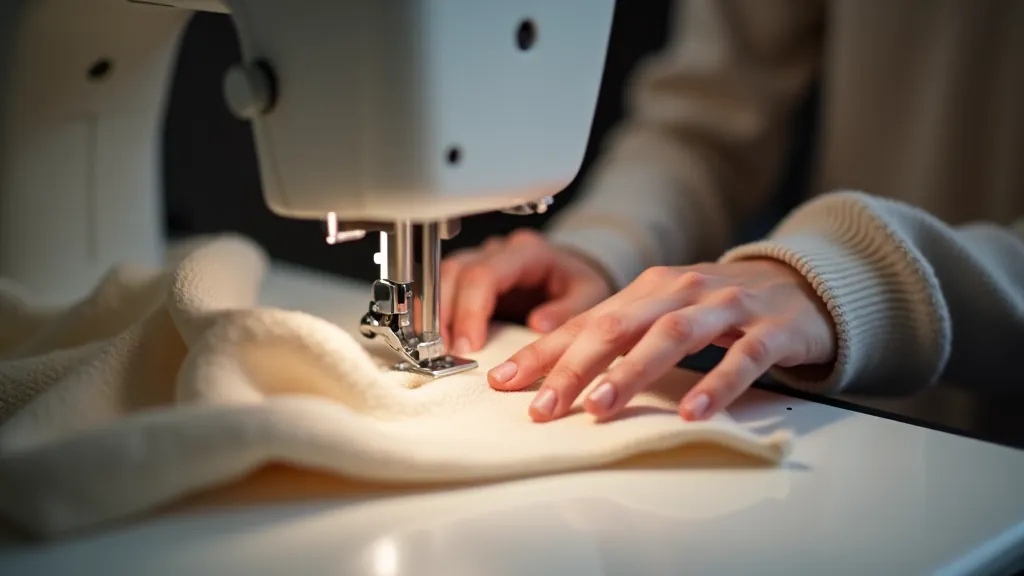
Here's the thing — don't overthink this. If you've never used a machine before or it's been years, beginner is right. You're learning threading, basic stitches, tension, and how to move fabric smoothly. That takes 4-6 weeks of regular practice to feel natural.
Intermediate is for people who've done beginner work already. You'll tackle fitted seams, curves, zippers, maybe even working with knit fabrics. The pace moves faster. You'll work on actual garment projects or more complex items. Instructors assume you know how to thread your machine and won't spend time on fundamentals.
If you're somewhere in between — like you've sewn a bit at home but never in a class — start with beginner. You'll move quickly through the basics with a group, and you can jump to intermediate after 4-6 weeks. It's honestly better to be slightly bored for a few weeks than completely lost.
Straight stitching, simple projects like bags or pillows, learning machine control
Fitted seams, curves, zippers, garment construction, multiple fabrics
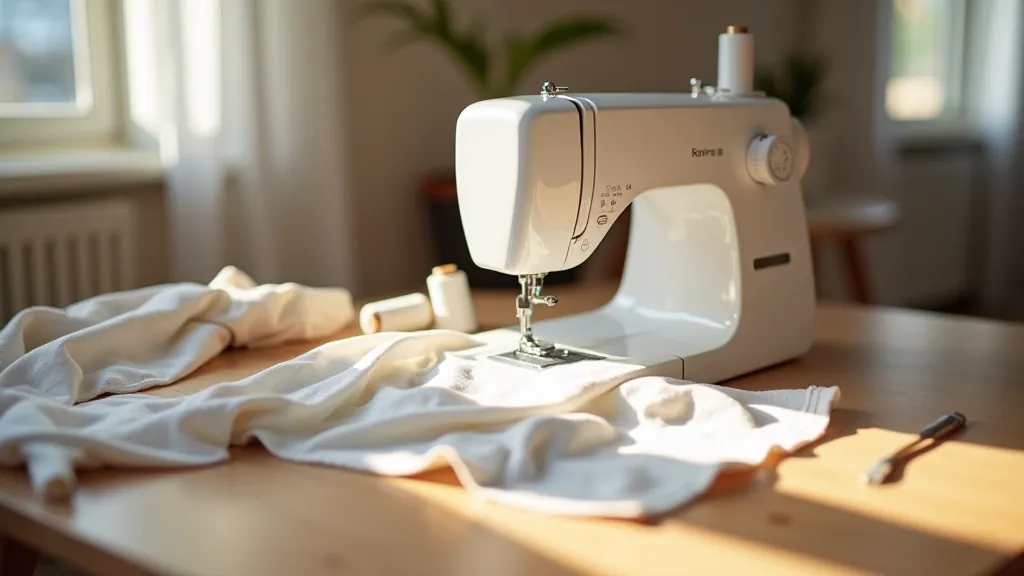
Most workshops provide machines, thread, and basic supplies. That's one reason to choose a workshop over struggling alone at home — you don't need to invest in equipment right away. You're testing the waters with their gear before you buy your own.
Bring a notebook and pen. Seriously. You'll want to jot down what worked, what didn't, and questions for next time. Bring a small project if you're working on something across multiple sessions. And bring snacks — most workshops run for 90+ minutes, and it's nice to have something with you.
Don't bring fancy fabrics for your first class. Use cotton or a cotton blend. It's forgiving, it doesn't slip, and you can focus on technique instead of fighting the material. Save the silk and stretchy fabrics for when you're comfortable with the basics.
In Rīga, you've got options. Check Facebook groups focused on crafts and hobbies — that's where most workshop announcements happen. Look for groups like "Rīgas rokdarbnieki" or local craft communities. Many workshops update their schedules monthly, so you won't find everything posted permanently online.
Several workshops operate near the Old Town and around Ausekļa iela. These tend to be smaller, 6-8 person classes. Sessions run Tuesday through Thursday evenings, with some weekend morning slots. Contact instructors directly through Facebook or ask at local fabric shops — they usually know who's teaching.
Community centers (Kopienas centri) often host sewing classes at affordable rates. Check Ķengarags, Purvciems, and Latgale districts. These are usually more formal, registered classes with set schedules. You'll pay per session or per month. Good for consistency if you want a regular commitment.
Ventspils has several textile-focused studios, partly because of the strong local linen tradition. Look around the cultural district. Workshops here often specialize in traditional techniques alongside modern sewing. Smaller city means tighter communities — you'll know instructors by reputation quickly.
When you find a workshop you're interested in, don't hesitate to ask questions. Are machines maintained regularly? How many people usually attend? What's the instructor's background? Can you try one session before committing? These are completely reasonable things to ask.
One class won't teach you to sew. You're building muscle memory. Show up every week if you can. After 4-6 sessions, techniques start clicking in a way that doesn't happen from sporadic attendance.
That's what the instructor is there for. If something doesn't look right, ask immediately. Don't wait until next week hoping you'll figure it out. A two-minute question answered now saves hours of frustration later.
Workshop time is for structured learning. Use time at home to reinforce what you learned. Even 30 minutes practicing stitches makes a real difference between sessions.
You'll be amazed how much you learn from people at your same skill level. Share struggles, ask questions outside class, maybe even form a little group that practices together between sessions.
Your first seams won't be straight. Your thread will tangle. That's completely normal. Everyone in that workshop has been there. It's part of learning.
Photos of things you want to make, swatches of fabrics you love, or ideas from books. Your instructor can help you work toward goals that actually matter to you instead of just generic class projects.
Finding the right workshop doesn't have to be complicated. Start by looking at what's available in your area — check Facebook groups, ask at local fabric shops, look at community center schedules. Reach out to instructors and ask if you can observe a class before joining. Most people running workshops want to make sure you're a good fit too.
Your first class might feel a bit overwhelming. That's fine. You're in a room with other people learning the same things. By week three or four, you'll wonder why you didn't start sooner. The community of people who sew, the skills you're building, the actual things you're creating — it's all worth it.
Whether you're in Rīga or Ventspils, there's a workshop waiting for you. Go find it.
This article provides informational guidance about finding and choosing sewing workshops. Workshop availability, schedules, instructors, and pricing change regularly. We recommend contacting workshops directly to verify current information, class sizes, and instructor qualifications before enrolling. Always verify workshop credentials and safety practices before attending. Individual results and experiences with workshops vary based on personal learning styles and commitment levels.