work-standing Logo Work-standing Contact Us
Contact Us
Beginner 7 min read May 2026

Getting Started with Latvian Linen — What Beginners Should Know

Latvian linen is prized worldwide for its quality and durability. We'll walk you through why it's special, where to find authentic audēji weavers, and how to choose the right weight for your first project.

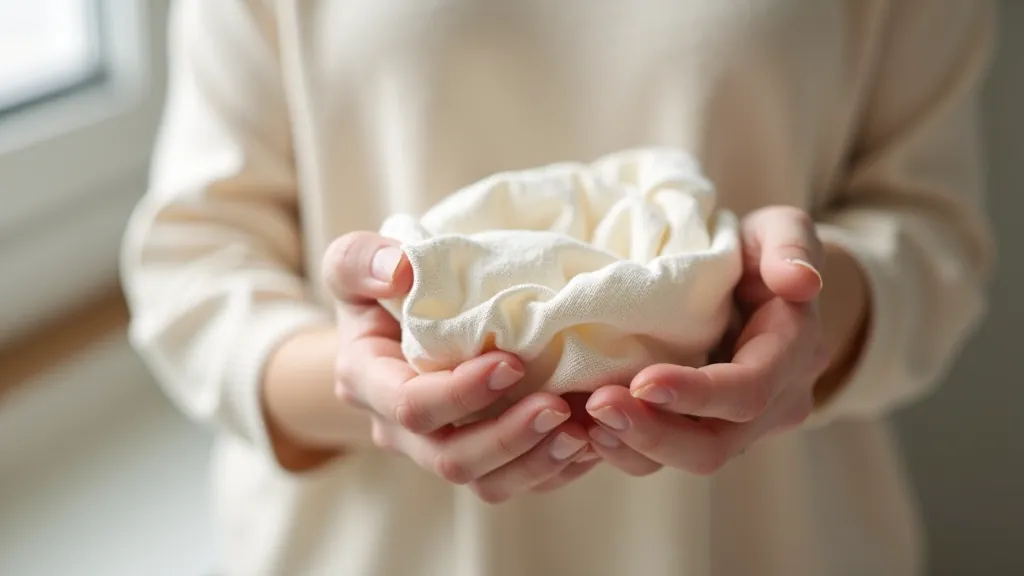
Hands holding a swatch of cream-colored Latvian linen fabric with fine weave texture and natural fibers visible

Why Latvian Linen Stands Out

You've probably heard the hype around Latvian linen. It's not just marketing — there's real substance behind it. Latvia's flax production is tied to climate, soil quality, and centuries of weaving knowledge. The country produces some of Europe's finest linen, and if you're serious about sewing projects that'll last decades, understanding the difference matters.

Latvian linen comes in different weights and weaves. You won't find it in every fabric store, but it's worth seeking out. When you hold authentic Latvian linen, you'll notice the feel immediately — smooth, slightly structured, with a subtle sheen that develops over time. It's not fragile like some linens feel. It's built to work.

400+
Years of linen tradition in Latvia
8-10
Average thread count density per centimeter
20+
Active audēji weavers producing fabric

Understanding Linen Weight & Weave

Linen weight is measured in grams per square meter (gsm). Here's what you're looking at: lightweight linen runs 130-180 gsm and drapes beautifully. It's perfect for summer shirts and scarves. Mid-weight linen (180-250 gsm) is the workhorse. You can make clothing, home goods, and it holds structure without feeling stiff. Heavy linen (250+ gsm) is for upholstery and sturdy projects — it's nearly rigid.

As a beginner, we'd recommend starting with mid-weight linen in the 200-240 gsm range. It's forgiving. It doesn't fray excessively like lighter weights, and it's easier to work with on a standard sewing machine. The weave also matters — a tight weave means fewer loose threads when you cut.

Pro tip: Request a swatch before buying a full bolt. Authentic audēji weavers will send you a sample so you can feel the actual fabric weight and see how it behaves when you work with it.

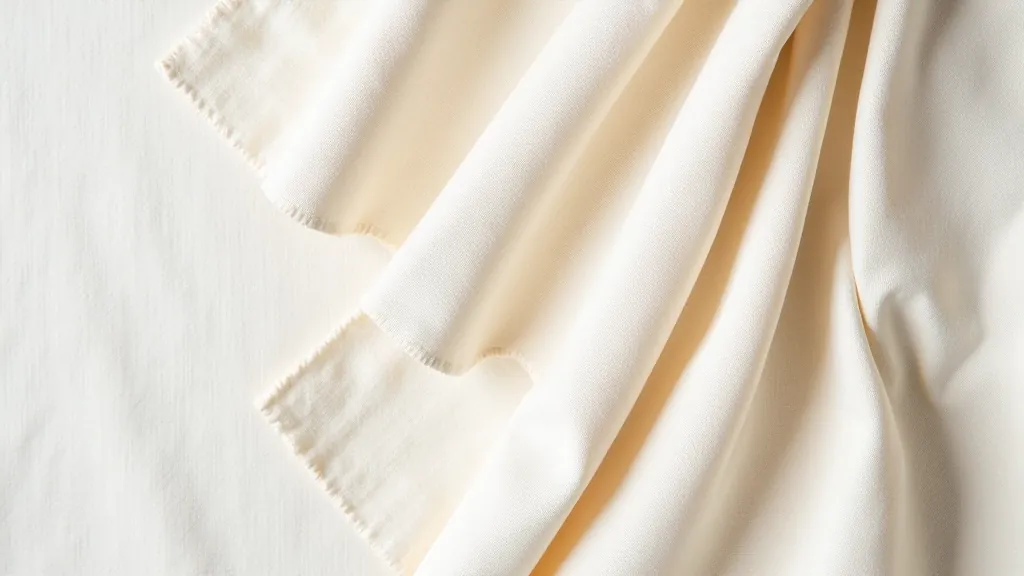
Close-up overhead view of Latvian linen fabric swatches in cream and natural beige tones showing tight weave pattern and texture detail
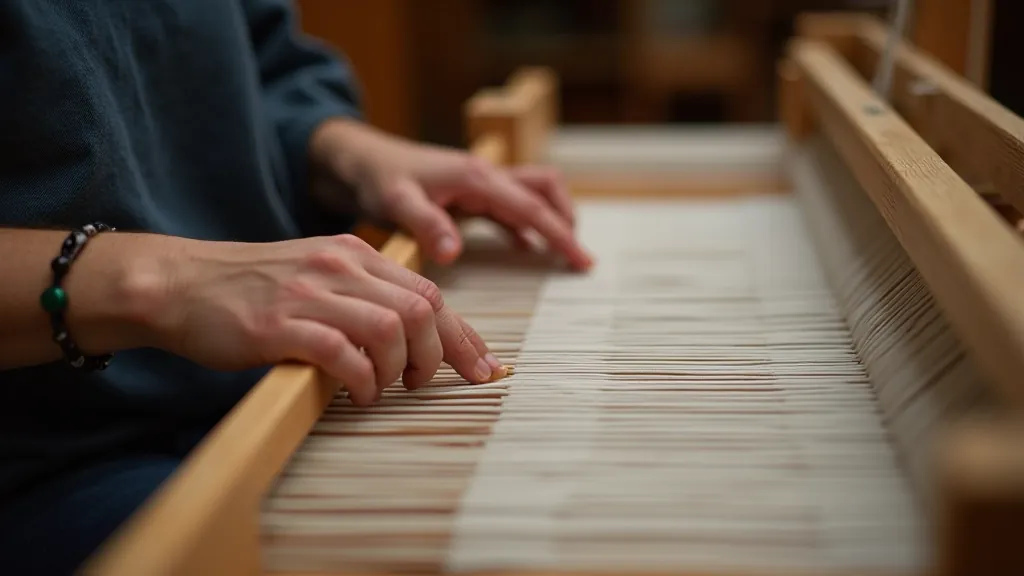
Hands of a weaver working at a traditional wooden loom with white linen threads, showing the weaving process in action

Finding Authentic Audēji Weavers

Not all linen marketed as "Latvian" is actually woven in Latvia. This matters if you want the real deal. Authentic audēji (traditional weavers) typically sell directly or through small craft cooperatives. They're not hiding — you'll find them at textile markets in Rīga, through online craft platforms, and via word-of-mouth in the sewing community.

Look for weavers who provide detailed information about their linen. They'll tell you the flax source, weaving method, and whether they do finishing treatments. The best ones offer custom orders. You can request specific colors (natural cream, soft grey, pale blue) or even ask them to weave a particular thickness. This level of transparency is a sign you're dealing with someone serious about their craft.

1
Search for audēji weavers at Latvian craft fairs or online craft marketplaces
2
Request a sample and ask about their weaving process and materials
3
Check delivery times and minimum order quantities before ordering

Preparing Your Linen for Sewing

Here's something beginners often skip: pre-washing your linen. You should do it. Linen shrinks — usually 3-5% in length and width when first washed. If you're making fitted garments, this matters. Wash your linen in cool water with mild detergent, then dry it flat or hang it. Don't rush this step.

After pre-washing, you'll notice the fabric feels softer. It also becomes slightly more flexible, which makes it easier to cut and sew. The slight wrinkled texture that develops? That's part of linen's charm. It's not a flaw — it's character. Press it with a warm iron if you want a crisp finish, or embrace the lived-in look.

Pre-wash in cool water

Prevents unexpected shrinkage after you've sewn your project

Dry flat when possible

Laying it out prevents stretching and uneven drying

Use a medium-hot iron

Linen can handle heat — it actually benefits from pressing before cutting

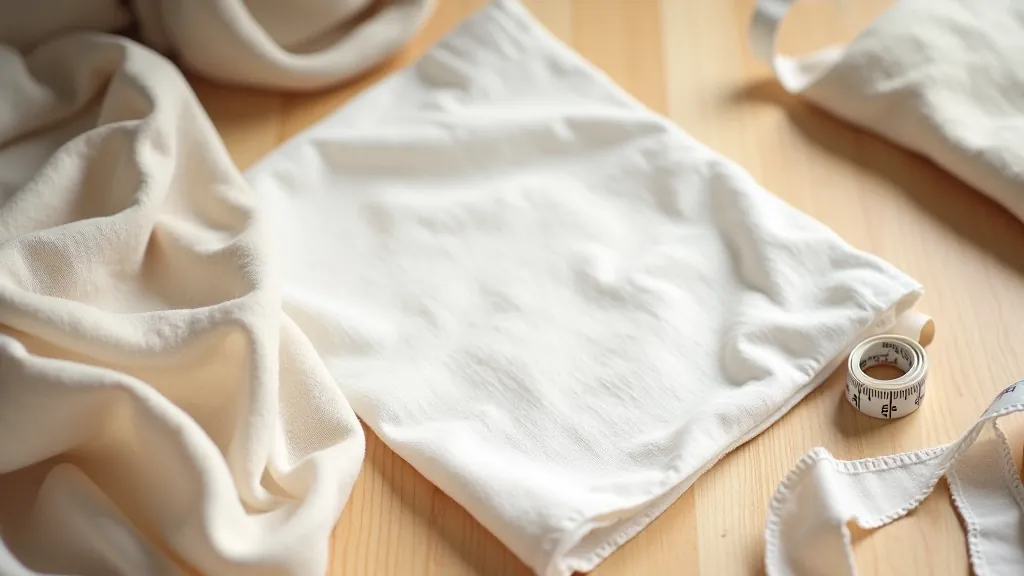
Flat lay of folded white and cream linen fabric on wooden table with measuring tape and scissors nearby, craft workspace setup
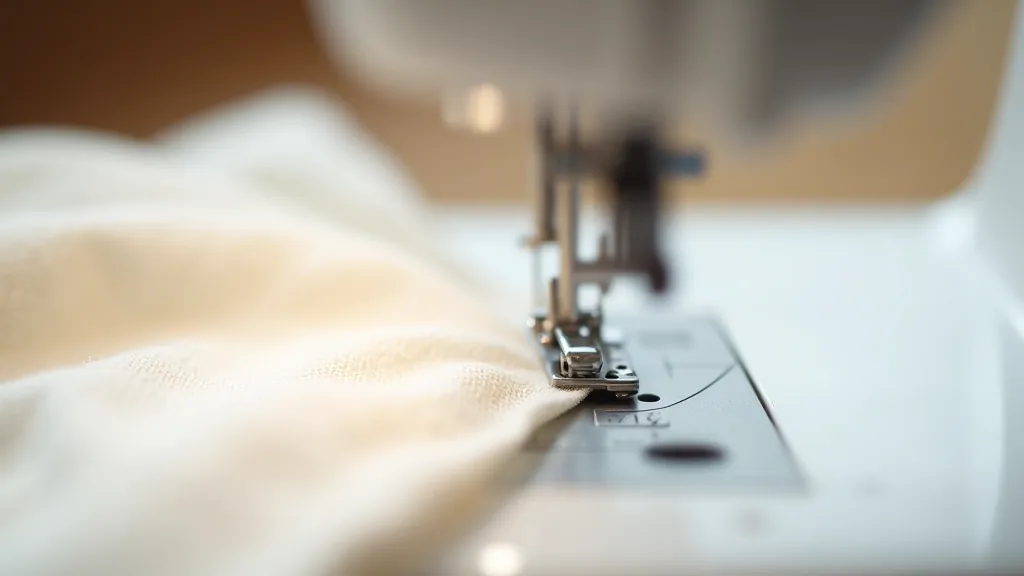
Close-up of sewing machine needle threading into light-colored linen fabric with presser foot lowered, ready for stitching

Sewing Tips for Linen Success

Linen is forgiving to sew. It's not stretchy like knits, so your seams won't pucker unexpectedly. Use a needle sized for medium-weight fabrics (size 80/12 or 90/14) and thread rated for natural fibers. Polyester thread works fine, but cotton thread is a better choice aesthetically.

Your stitch length should be around 2.5mm — slightly longer than you'd use for cotton. This prevents the fabric from puckering at the seams. Linen frays, so finish your seams. A zigzag stitch works, or if you have a serger, that's even better. You'll want clean, finished edges on projects you plan to wash repeatedly.

"Linen gets better with age. Each wash softens it more, and it develops this beautiful patina. That's why it's worth the effort to learn it properly from the start."

— Textile crafts wisdom from Latvian weavers

Your First Latvian Linen Project

Starting with Latvian linen doesn't need to be intimidating. Choose mid-weight fabric in the 200-240 gsm range, find a trusted audēji weaver, pre-wash your fabric, and sew with a slightly longer stitch length. Your first project might be a simple tote bag, tea towels, or a pillowcase. These are forgiving projects that let you experience how linen behaves.

The investment in quality fabric pays off. A well-made linen tote will last years. A pillowcase you've sewn becomes softer and more comfortable every time you wash it. That's the reward of working with authentic materials and taking time to learn properly. Latvian linen isn't just fabric — it's a connection to centuries of craft tradition.

Disclaimer

This article provides educational information about working with Latvian linen for sewing projects. Specific fabric recommendations, weaving processes, and supplier information are based on general craft knowledge and may vary depending on individual circumstances, regional availability, and supplier practices. Shrinkage percentages and fabric specifications can differ between weavers and specific fabric lots. We recommend requesting samples from weavers and testing fabric properties before committing to large orders. Individual results with fabric care, washing, and longevity will depend on your specific maintenance practices and the particular fabric characteristics of your chosen material.

Inese Kļaviņa

Inese Kļaviņa

Senior Textile Crafts Editor

Textile design educator with 14 years' experience teaching Latvian sewing crafts, upcycling, and traditional linen weaving to hobbyists. She's trained hundreds of beginners and believes everyone can learn to sew with the right guidance and materials.